



Health professionals are pleading for the government to set up safeguards amid an explosion of Australians using unapproved peptides.
A national inquiry into the use of unapproved peptides has already been announced by Health Minister Mark Butler, but may be coming too late.
WATCH THE VIDEO ABOVE: Unapproved peptides flood Australian market sparking alarm
Know the news with the 7NEWS app: Download today
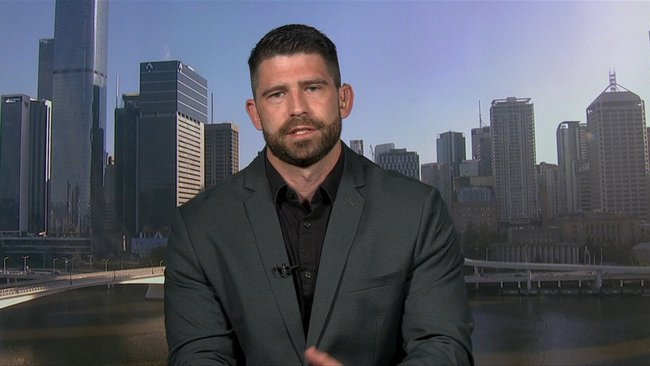
University of Queensland peptide researcher Tim Pienkowski told Sunrise the issue should have been covered months before it got out of hand.
“I think we should have been on top of this a little while ago,” he said.
But he also welcomed the inquiry and hoped it would draw on his two-years-worth of research on the matter to help protect Australians.
The inquiry will look into how the drugs are being sold in Australia despite requiring a prescription if it is yet to be approved for use by health authorities like the Therapeutic Goods Administration (TGA).

“Peptides are often marketed on social media as wonder-drugs but the reality is that they can pose serious health risks to Australian consumers,” Butler said.
“I am extremely concerned about escalating reports by the TGA of unapproved peptides being prescribed and delivered via telehealth and one-stop-shop style dispensaries.”

Pienkowski said those same drugs have been linked to the death of Australian actor Richard Norton.
“So as opposed to say, approved and regulated products like Ozempic being a good example, unapproved peptides are things like the ones implicated in Norton’s death recently, CJC1295 or ipamorelin, growth hormone secretagogues that tell our body to release more human growth hormone,” he said.
While Australians can still get a prescription for unapproved peptides, major concerns arise when Australians purchase drugs online.

“The other way and the more concerning way for me is when you go online and you find these websites for Chinese vendors that will send you these unapproved peptides without a prescription and through an unregulated pathway,” Pienkowski said.
“And as we’ve seen from my research program at UQ, we know that these are terribly variable in terms of content, purity and other excipients like heavy metals being inside them.”


